Thickster: A Sweet Handwritten Font for Cozy Designs
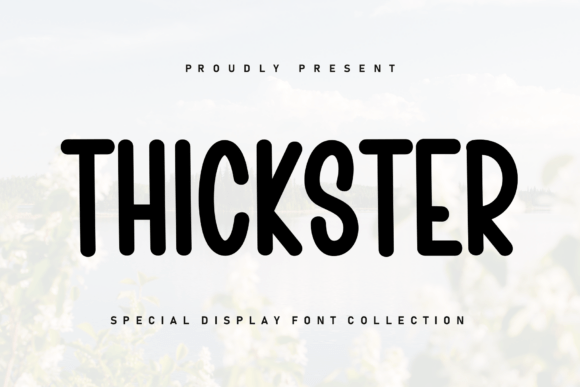
Imagine a typeface that feels like a warm, handwritten note from a friend—charming, personal, and instantly inviting. That's the essence of Thickster, a sweet and beautiful handwritten font. Featuring characters that dance along the baseline, this font will add a cozy accent to any design project you wish to create. In the realm of modern graphic design, where authenticity and human connection are paramount, a font like Thickster becomes an invaluable creative asset.
Why Handwritten Typography Matters in Visual Design
In an era dominated by clean, geometric sans-serifs, a thoughtfully crafted handwritten font offers a powerful contrast. It injects personality, warmth, and a sense of the human hand into digital and print spaces. This isn't just about aesthetics; it's a strategic choice in visual communication. A font like Thickster can soften a brand's voice, make marketing materials more approachable, and guide a user's eye with its organic flow. It directly influences user engagement by creating an emotional connection that sterile typefaces often cannot.
Practical Applications for the Thickster Font
The versatility of a well-designed handwritten font extends across numerous creative projects. Its primary strength lies in adding a focal point of charm without overwhelming a layout. Consider its role in these key areas:
- Brand Identity & Logo Design: Use Thickster for wordmarks, taglines, or monograms to convey a friendly, artisanal, or boutique brand personality. It pairs exceptionally well with a clean sans-serif for visual hierarchy.
- Digital Marketing & Social Media: Create eye-catching social media graphics, quote images, or promotional banners. Its cozy character stops the scroll and makes messages feel more personal and shareable.
- Editorial & Web Design: Perfect for pull quotes, headers in lifestyle blogs, or accent text on websites. It adds a layer of design inspiration and breaks up dense blocks of content, improving the overall user experience.
- Packaging & Merchandise: Ideal for product labels, greeting cards, invitations, or merchandise like T-shirts and mugs. It communicates care, craftsmanship, and a personal touch.
- Presentations & Proposals: Use it sparingly for slide titles or key takeaways to make a professional presentation feel more engaging and less corporate.
Integrating Creative Assets into Your Design Workflow
Successfully incorporating a font like Thickster requires more than just selection; it demands thoughtful integration. First, always consider your audience and design goals. Is the aim to evoke nostalgia, whimsy, or approachability? Ensure the font's personality aligns with your message.
Next, evaluate readability and scalability. Test the font at various sizes, especially for digital UI design where small text must remain legible. Its dancing baseline is charming in headlines but may need careful kerning for longer phrases. Finally, maintain consistency. Define specific use cases—perhaps only for headings or accent text—and pair it with a complementary typeface for body copy. This creates a cohesive visual hierarchy and strengthens the overall design system.
Key Considerations for Typography Selection
- Visual Hierarchy: Use weight and style contrast to guide the viewer's attention. Thickster naturally draws the eye.
- Color Palette: A warm, handwritten font often works best with soft, neutral, or pastel colors to enhance its cozy feel.
- Compatibility: Test how it interacts with your existing brand assets, imagery, and composition to ensure a harmonious result.
Choosing the right creative assets is a fundamental part of a designer's workflow, directly impacting the quality and effectiveness of the final product. A font like Thickster is more than just a decorative element; it's a tool for visual storytelling. By leveraging its unique charm with strategic intent, designers, marketers, and creators can elevate their projects, forge stronger brand identities, and communicate with a warmth that resonates deeply with their audience. In the end, thoughtful design choices are what transform good work into great, memorable experiences.