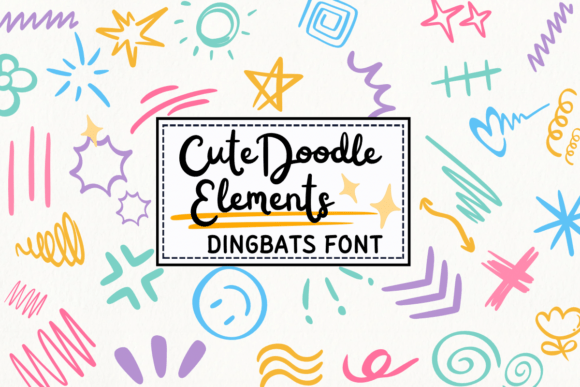
Unlocking Creativity with Cute Doodle Elements
In a digital landscape saturated with polished perfection, a touch of hand-drawn charm can make your designs feel remarkably human and approachable. Cute Doodle Elements, a dingbats font built on a delightful sketch-style theme, offers exactly this unique blend of whimsy and utility. It’s more than just a collection of icons; it’s a versatile creative asset designed to inject personality and warmth into a wide array of projects, from wedding invitations and DIY crafts to professional logos and branding materials.
What Makes Sketch-Style Fonts a Powerful Design Tool?
Modern graphic design often seeks to balance professionalism with relatability. A font like Cute Doodle Elements serves as a bridge between these goals. Its sketch-style aesthetic taps into current design trends that favor authenticity, imperfection, and a handcrafted feel. This visual language communicates approachability, creativity, and a personal touch, making it an invaluable resource for designers, marketers, and creators looking to stand out. By using these elements, you can soften corporate identities, add playfulness to digital products, or create a cohesive visual narrative that resonates on an emotional level.
Practical Applications Across Creative Projects
The true value of any design asset lies in its application. Cute Doodle Elements excels in enhancing visual communication across numerous formats. Its versatility allows it to adapt seamlessly to both digital and print environments, supporting a designer's workflow from concept to final output.
- Branding & Logo Design: Use individual doodle icons as part of a logo mark, or to create unique brand patterns and textures. They can help define a brand identity that is friendly, creative, and memorable.
- Marketing & Social Media: Create eye-catching social media graphics, blog post headers, and digital ads. Doodle elements can break up text, highlight key points, and increase visual engagement in crowded feeds.
- Web & UI Design: Incorporate these sketch-style icons into website illustrations, loading animations, or as decorative bullets and dividers. They add personality to user interfaces and can guide the user’s eye in a subtle, friendly manner.
- Packaging & Editorial Design: Ideal for product packaging, stickers, and labels that aim for a boutique or artisanal feel. In editorial layouts, they can serve as charming spot illustrations, margin decorations, or section breaks in magazines and books.
- Presentation & Merchandise: Transform standard slide decks into visually engaging presentations. They are also perfect for creating custom merchandise like t-shirts, tote bags, and stationery.
Integrating Elements for a Cohesive Visual Hierarchy
To use a dingbats font effectively, thoughtful integration is key. The goal is to enhance, not overwhelm, your primary message. Consider these factors to ensure your designs remain polished and professional:
- Consistency and Scalability: Choose a set of elements that share a consistent line weight and style. This ensures they work harmoniously together and scale well from a small icon on a business card to a large graphic on a poster.
- Visual Hierarchy and Readability: Use doodle elements to support your main content, not compete with it. They work best as secondary visual cues—accenting headlines, framing key information, or adding detail to negative space without sacrificing readability.
- Audience Alignment: Ensure the playful, sketch-style aesthetic matches your target audience's expectations. It’s perfect for children's products, lifestyle brands, wedding vendors, and creative portfolios, but may need careful calibration for more formal industries.
- Color Palette Synergy: While often used in black or a single accent color, these elements can be customized to match your existing color palette. This reinforces brand consistency and creates a more integrated design system.
Ultimately, the thoughtful selection of creative assets like Cute Doodle Elements is a cornerstone of effective design. Quality typography and iconography do more than decorate; they communicate tone, establish hierarchy, and build a cohesive brand experience. By leveraging a resource that offers both charm and flexibility, you empower your projects to connect more deeply with your audience, transforming ordinary designs into memorable visual stories.