Yellow Rabbit: A Friendly Font for Modern Design
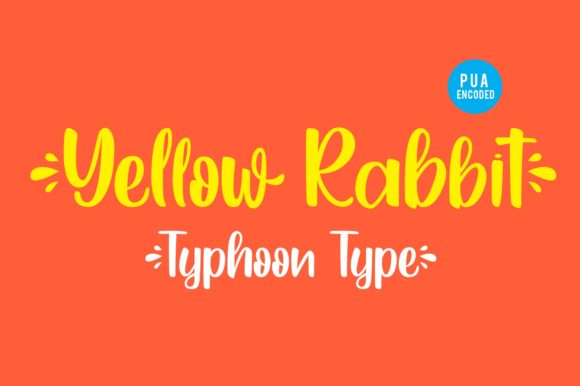
In a world saturated with sharp, geometric typefaces, finding a font that feels genuinely approachable can transform a design. Yellow Rabbit is a cute and casual handwritten font with an incredibly friendly feel. It's perfect for logos, branding, social media posts, greeting cards and much more. Its warm, organic character instantly injects personality into any project, making it a valuable asset in a designer's toolkit for creating authentic visual connections.
The Role of Friendly Typography in Brand Identity
Typography is a cornerstone of visual design, directly influencing brand perception. A font like Yellow Rabbit communicates warmth, approachability, and creativity before a single word is read. This makes it exceptionally effective for brands aiming to establish a personal, trustworthy, and engaging identity. In logo design, its handwritten style can become a memorable signature, while in broader branding systems, it sets a consistent, welcoming tone across all touchpoints.
Effective visual communication relies on more than just legibility; it requires emotional resonance. The casual elegance of a handwritten font can soften a corporate message, humanize a digital product, or add a playful edge to marketing materials. When selecting such a creative asset, consider its scalability and how it pairs with more neutral, readable typefaces for body copy to maintain a clear visual hierarchy.
Practical Applications Across Creative Projects
The versatility of a friendly handwritten font extends far beyond simple greeting cards. Its application can elevate various design contexts, enhancing both aesthetics and user engagement.
- Branding & Logo Design: Creates a distinct, personal logo mark or wordmark for businesses in lifestyle, artisanal, children's, or wellness sectors.
- Social Media Graphics: Adds a personal, eye-catching touch to quotes, announcements, and promotional posts, improving engagement in fast-scrolling feeds.
- Web & UI Design: Used sparingly for headlines, buttons, or call-to-action elements in UI design to guide user attention and soften the digital experience.
- Packaging & Print Design: Ideal for product labels, boutique packaging, and editorial design layouts where a handmade, premium feel is desired.
- Advertising & Presentations: Makes advertising campaigns more relatable and presentation slides more engaging, breaking the monotony of standard corporate fonts.
Integrating Design Assets Thoughtfully
Simply choosing a charming font is not enough. Successful integration into a design workflow requires thoughtful consideration. First, ensure the font's character aligns with the project's core message and audience expectations. A playful font may not suit a formal legal document, but it could be perfect for a bakery's menu or a mobile app's onboarding screens.
Next, evaluate its technical performance. Check for readability at small sizes, especially for web design and mobile interfaces. Assess the breadth of its character set—does it include the necessary glyphs, numbers, and punctuation for your content? Finally, consider color palette compatibility. A font like Yellow Rabbit often pairs beautifully with soft, pastel colors or can stand out boldly against a dark, contrasting background.
Thoughtful design is about harmony between all elements. A quality creative asset like a well-crafted font is a starting point. By pairing it with complementary imagery, a balanced composition, and a clear color story, you ensure the final result is not only aesthetically pleasing but also communicates your intended message with clarity and professionalism, ultimately strengthening your overall brand identity and visual impact.